
Find and Book your local courses
SMSTS or SSSTS: Which Course Is Right for Your Role in Construction?
A Complete Guide to Choosing the Right Qualification for Your Career
If you work in construction, understanding which health and safety qualification you need is essential. This isn’t just for compliance. It’s important for your long-term career progression.
Two of the most recognised CITB-accredited qualifications in the UK are SMSTS (Site Management Safety Training Scheme) and SSSTS (Site Supervisor Safety Training Scheme). While they are often mentioned together, they aren’t interchangeable.
The key difference is not the course content, it's your level of responsibility on site.
Choosing the wrong course can result in:
Missed job opportunities
Delayed promotions
Non-compliance with site requirements
Unnecessary training costs
This guide explains exactly how to choose the right course based on your role, responsibilities and career goals.
Why This Decision Has a Direct Impact on Your Career
Health and safety qualifications in construction are not optional. They are often mandatory for specific roles.
Across the UK construction industry:
Site managers are expected to hold SMSTS
Supervisors are expected to hold SSSTS
Larger contractors often require proof of certification before allowing access to site
This means your qualification directly affects:
Whether you can be hired
What level of responsibility you can take on
Your earning potential
Industry Insight
Candidates with the correct safety certifications are significantly more likely to:
Secure site-based roles
Progress into leadership positions
Be shortlisted for large-scale projects
The Core Difference: Responsibility Level
The simplest way to understand the difference is through responsibility.
Responsibility Breakdown
Key takeaway:
SSSTS supports site safety. SMSTS is responsible for it.
Step 1: Identify Your Current Role
Your current role is the strongest indicator of which course you need.
Course Selection by Job Role
If You Are a Supervisor
Supervisors are responsible for the day-to-day operations and team management, but not overall site accountability.
Typical responsibilities include:
Monitoring work activities
Ensuring workers follow safety procedures
Reporting hazards or incidents
Supporting site managers
SSSTS helps supervisors:
Understand risk assessments
Enforce safe working practices
Improve communication on safety
If You Are a Site Manager
Site managers carry full responsibility for site safety and compliance.
This includes:
Ensuring all activities meet legal requirements
Managing multiple workforces and subcontractors
Planning and implementing safety procedures
Overseeing risk management strategies
SMSTS enables managers to:
Take legal responsibility for safety
Manage complex site environments
Ensure compliance with UK regulations
Step 2: Understand Where You Want to Go
Choosing courses based only on your current role isn’t the right way to go. You should also consider your career trajectory.
Typical Career Progression
Strategic Insight
If you plan to move into site management within the next 6–12 months, taking SMSTS earlier can:
Accelerate your career
Reduce additional training requirements
Improve promotion opportunities
Step 3: What Employers Expect
Employers require the correct qualification for each role.
Employer Expectations
Without the correct certification:
You may be rejected for roles
You may not be allowed on site
You may be offered lower-level positions
Why Experience Alone Is Not Enough
Experience does not replace certification.
Employers and regulations require:
Documented proof of competence
Recognised qualifications
Compliance with safety standards
Without certification:
You may not meet legal requirements
Your role and future prospects may be limited
Practical Scenario Examples
Scenario 1
You supervise a workforce and ensure safe working practices.
Recommended: SSSTS
Scenario 2
You manage staff, subcontractors and site safety.
Recommended: SMSTS
Scenario 3
You want to move into site management soon.
Recommended: SMSTS
Key Benefits of Choosing the Right Course
Professional Benefits
Increased employability
Access to higher-level roles
Career progression
Operational Benefits
Improved safety knowledge
Better compliance
Reduced risk on site
Financial Benefits
Higher earning potential
Access to larger projects
Common Mistakes to Avoid
Choosing based on cost or duration
Following others without understanding your role
Selecting the wrong qualification for your responsibilities
Not planning for career progression
Frequently Asked Questions
Can I take SMSTS without SSSTS?
Yes. SSSTS is not a prerequisite.
Is SMSTS higher than SSSTS?
Yes, in terms of responsibility level.
Can I be a site manager with SSSTS?
No. SMSTS is typically required.
Can I take these courses online?
Yes, both these courses are available online.
Which course should I choose if unsure?
Choose based on your current or future role.
Conclusion
Choosing between SMSTS and SSSTS is about aligning your qualification with your role.
Supervising workers → SSSTS
Managing site safety → SMSTS
Making the right decision ensures compliance, career progression and better opportunities within the construction industry. Choosing CITB-accredited training ensures your qualification is recognised, trusted and aligned with industry standards.
Get in touch
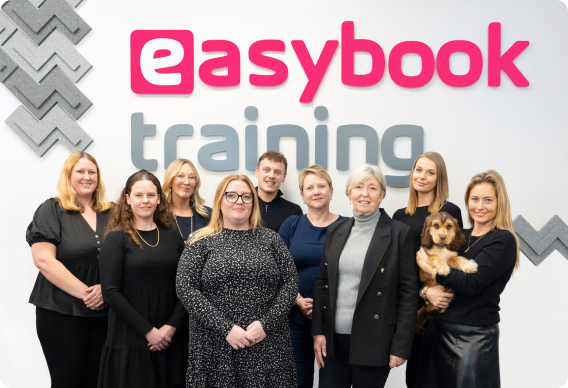
Booking a safety course with Easybook Training couldn't be simpler. We are constantly investing to ensure our online booking system is not only easy to use, but intuitive, so that when you return to book another training course, or add a delegate to an existing booking, this process is as pain free as possible. We're also available seven days a week, and are happy to assist with your enquiry whenever best suits you. As a family-run business we are proud to provide a professional service, with a personal touch; so why not get in touch today.
70,000+ courses
Thousands of courses from hundreds of UK training providers.
UK nationwide
We have venues across the UK, from Aberdeen to Isle of Wight.
No booking fees
We don’t add booking fees, and all major credit cards accepted.
Open 7 days a week
We’re here to help daily, from 8.30am to 7pm.